You've probably heard it takes 21 days to build a habit.
It's a nice number. Short, tidy, easy to remember. It's also not what the research says.
If you've ever started a new routine, felt great for two weeks, and then watched it quietly fall apart, this one's for you. The real timeline is longer, but it's also kinder than you'd think.
Where the 21 Day Idea Came From
The number goes back to a 1960 book called Psycho-Cybernetics by Maxwell Maltz, a plastic surgeon. He noticed his patients took at least about 21 days to get used to a change in how they looked.
Notice the words "at least." Over time, people dropped them. A rough observation about surgery patients turned into a hard rule about every habit on earth.
What the Research Actually Says
A team at University College London led by Phillippa Lally followed 96 people trying to build a new daily habit. Things like drinking a glass of water with lunch or doing sit-ups after morning coffee. The study was published in 2010 in the European Journal of Social Psychology.
The results:
- The average time was 66 days before a habit felt automatic.
- The range was huge. Some people got there in 18 days. For others, the model predicted it could take up to 254 days.
- Harder habits took longer. Drinking water was quicker to lock in than daily exercise.
So the honest answer is "about two months, give or take a lot." Not quite as catchy. Much more useful.
Missing a Day Is Fine
This was my favorite finding in the whole study.
Missing one day didn't really hurt. People who skipped a day here and there still built the habit. What mattered was getting back to it the next day.
That changes how you should think about a slip. One bad day isn't failure. It's just a bad day. The real damage happens when you treat one miss as proof that you've "blown it" and give up for good.
How to Help a New Habit Stick
You can't skip the time it takes. But you can make the road smoother.
- Tie it to something you already do. Lally's participants picked a cue, like "after breakfast." A clear trigger beats a vague plan like "sometime in the morning."
- Start smaller than feels right. Want to read more? Start with two pages a night. You can always do more. The goal early on is showing up, not crushing it.
- Make it easy to start. Put the running shoes by the door. Leave the book on your pillow. Every small barrier you remove helps.
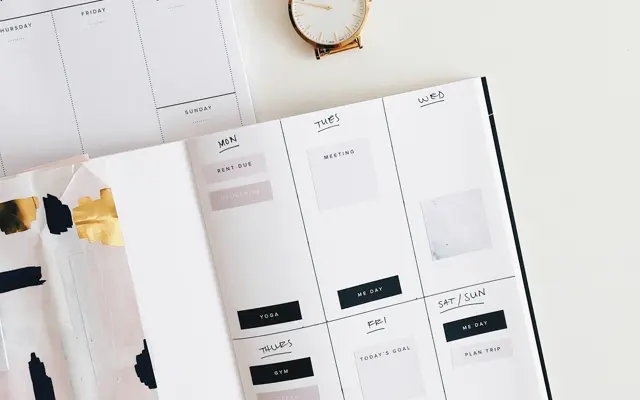
- Track it, but lightly. A simple check mark on a calendar is enough. Seeing a run of check marks feels good (and it's oddly hard to break a streak you can see).
- Plan for the bad days. Decide now what the "minimum version" looks like. On a rough day, one push-up still counts.
Pro tip: pick one habit at a time. Trying to overhaul your sleep, diet, workouts and reading all in the same week is the fastest way to end up with none of them.
Give It Two Months Before You Judge It
If you're three weeks into something and it still feels like work, that's normal. You're not doing it wrong. You're just early.
Keep the cue the same, keep the habit small, and forgive the off days. Somewhere around the two month mark, there's a good chance you'll catch yourself doing it without thinking. That's when you know it stuck.