Ever hit 3 p.m. and feel like your brain just switched off?
You're staring at the screen. The words aren't going in. You reach for coffee or something sweet, and it helps for about 20 minutes.
A lot of that slump comes down to what, and how, you ate earlier. Food isn't just fuel for your body. It shapes your energy, mood and focus all day long. The good news is you don't need a strict diet to eat well. A few steady habits do most of the work.
The Diet With the Strongest Evidence
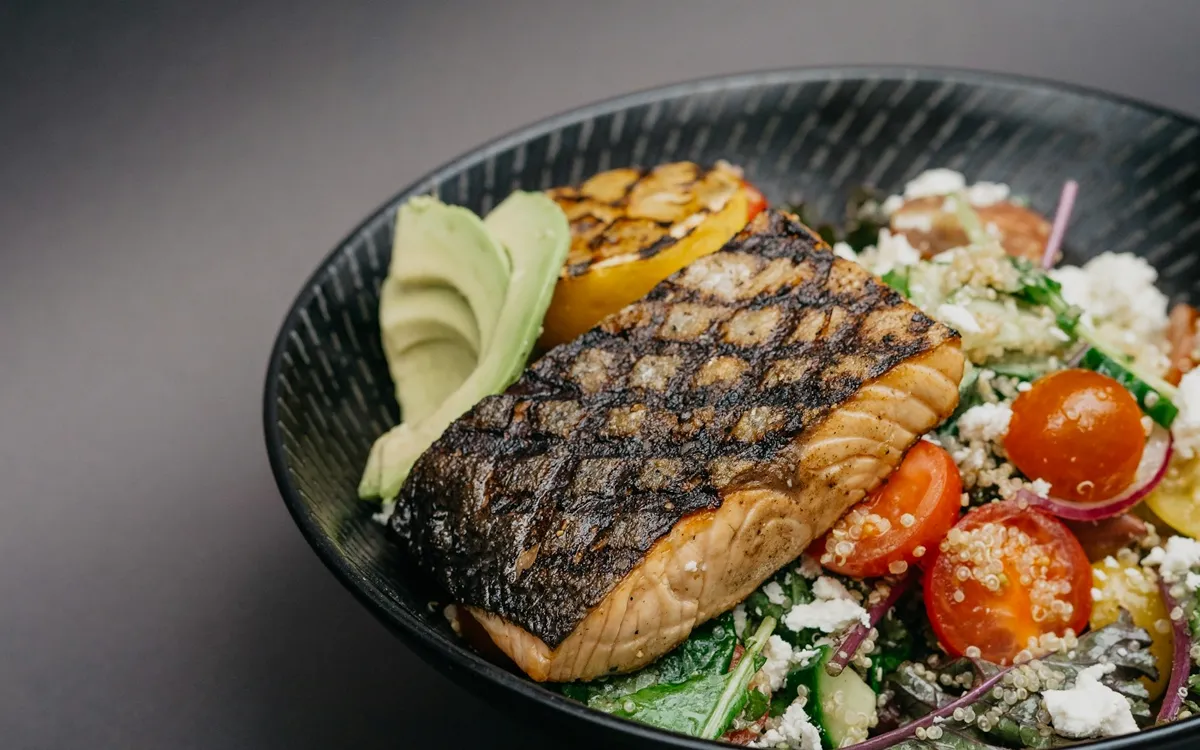
If one eating pattern has stood up to the most research, it's the Mediterranean diet. Think vegetables, fruit, beans, whole grains, nuts, fish and olive oil, with less red meat and processed food.
The best known trial is PREDIMED, a large study run in Spain. Its results were republished in 2018 in the New England Journal of Medicine after a review of its methods. People who followed a Mediterranean diet with extra olive oil or nuts had about 30 percent fewer major heart problems, like heart attacks and strokes, than a group told to eat a lower fat diet.
That's about heart health, not daily focus. But what's good for your blood vessels tends to be good for the organ that uses about a fifth of your body's energy: your brain.
Food and Mood Are Connected
This area of science is still young, but one trial got a lot of attention.
In 2017, Felice Jacka and her team at Deakin University in Australia published the SMILES trial in BMC Medicine. Adults with depression who got help improving their diet, along with their usual care, showed bigger improvements in mood over 12 weeks than a group that got social support instead.
It was a small study, and diet isn't a replacement for treatment. But it adds to a growing picture: what you put on your plate can affect how you feel, not just how you look.
Don't Forget Water
This one's easy to miss. In a 2012 study in the Journal of Nutrition, Lawrence Armstrong and colleagues at the University of Connecticut found that even mild dehydration in young women led to a worse mood, more fatigue and more trouble concentrating.
Mild here means losing a little over 1 percent of body water. You might not even feel very thirsty at that point.
Pro tip: keep a water bottle on your desk where you can see it. Out of sight really does mean out of mind with this one.
Simple Rules for Steady Energy
You don't need to count every calorie. Start with these:
- Build meals around protein and plants. Eggs, fish, chicken, beans or yogurt, plus a pile of vegetables. They keep you full longer.
- Choose slow carbs. Oats, brown rice, whole grain bread and beans release energy slowly. White bread, pastries and sugary drinks give you a spike and then a crash.
- Eat healthy fats. Olive oil, nuts, avocado and oily fish.
- Watch the big lunch. A huge, heavy meal is a reliable recipe for an afternoon slump.
- Plan your snacks. A handful of nuts or a piece of fruit beats whatever's in the vending machine.
- Go easy on alcohol, especially on work nights. It quietly wrecks sleep quality.
Note: everyone's body is different. If you have a medical condition, food allergies or specific goals, a doctor or registered dietitian can give you advice that fits you.
Small Swaps, Big Difference
Eating well doesn't mean giving up everything you enjoy. It means making the everyday choices a little better, most of the time.
Pick one swap this week. Water instead of soda, or oats instead of a pastry. Notice how your afternoons feel. Then pick the next one.